
Welcome to the definitive visual arts masterclass by YOU Magazine. In the world of high-fashion editorials, striking street style, and emotive portraiture, technical camera settings are only half the battle. True visual storytelling lives and breathes through the art of composition—how elements within the frame are arranged to guide the viewer’s eye and evoke a profound emotional response.
Whether you are shooting with a high-end mirrorless setup or practicing framing concepts using our YOU Magazine Interactive Camera Simulator, understanding spatial geometry will permanently transform your imagery. For a deeper dive into camera operations and gear selection, explore our comprehensive Photography A-Z Educational Guides.
1. Introduction: The Anatomy of Visual Storytelling
When human eyes scan an image, they do not wander aimlessly. They follow predefined visual pathways driven by contrast, lines, and weight. Composition is the intentional placement of your subjects, negative space, and lighting to control this eye movement. In professional Sri Lankan fashion and editorial photography, a well-composed frame separates a casual snapshot from a museum-grade visual masterpiece.
To master these principles, professional resources such as the Wikipedia Guide to Visual Composition offer an excellent theoretical foundation, while manufacturer resources like the Canon Photography Tips & Inspiration Hub provide practical field insights.
2. Core Technical Concepts
The Rule of Thirds
Imagine dividing your camera’s viewfinder or LCD screen into a grid of nine equal rectangles using two vertical and two horizontal equidistant lines. The Nikon Guide on the Rule of Thirds notes that placing your primary subject or focal points along these lines—or at the four intersections where they cross—creates vastly more dynamic tension and balance than simply dead-centering your subject.
- Horizontal Placement: Place horizons on the top third for dramatic skies, or the bottom third to emphasize a textured foreground.
- Vertical Alignment: Align model eye levels or fashion silhouettes along the vertical third lines to give the subject room to "breathe" or gaze into the frame.
Leading Lines
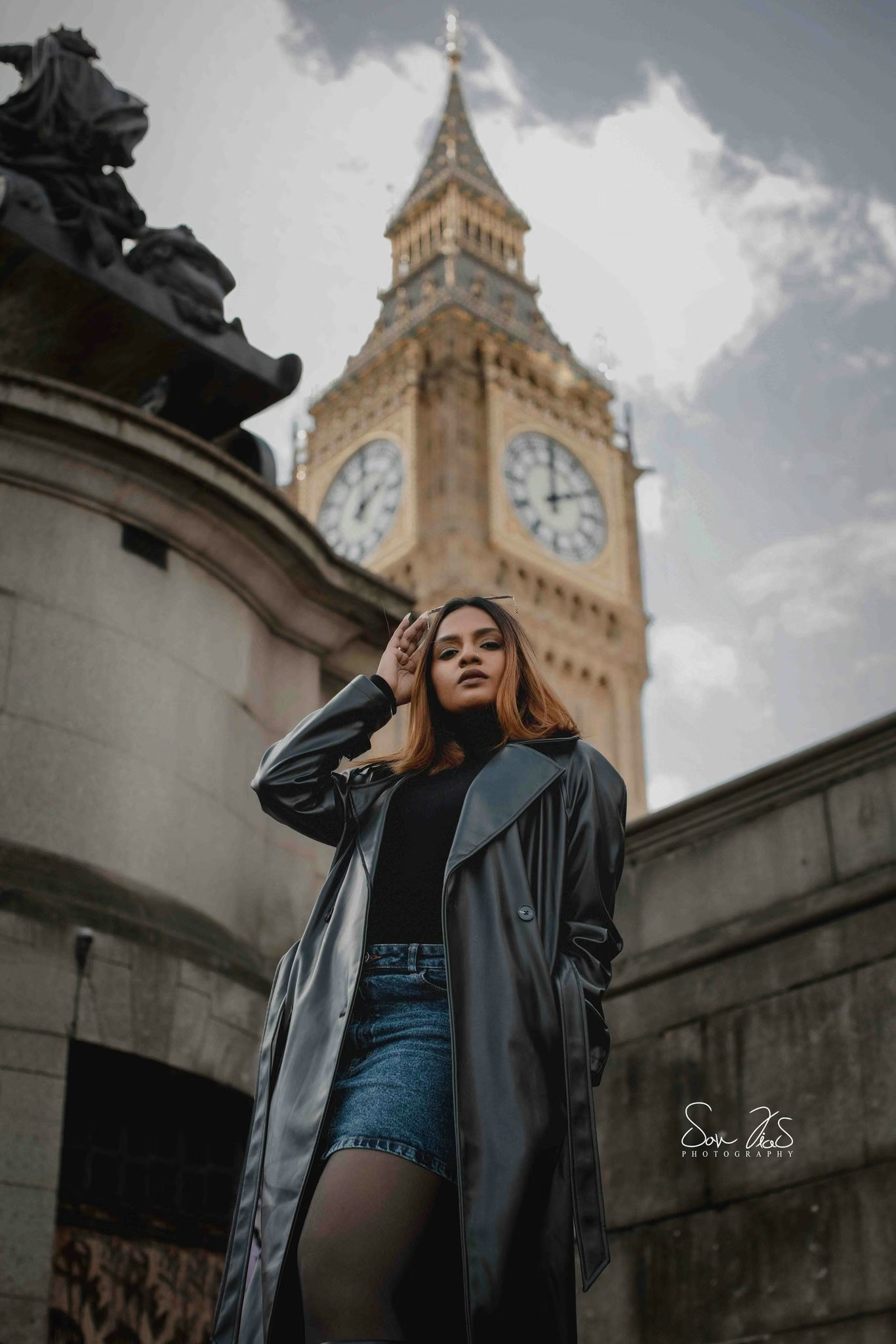
Leading lines act as visual highways that draw the viewer’s eye directly toward your primary subject. These can be architectural (such as Colombo's modern skyscrapers, colonial pillars in Galle Fort, railway tracks, or highway guardrails) or natural (such as winding rivers, pathways, tree branches, or the dramatic coastline of Mirissa). Using wide apertures can also create leading lines through depth-of-field compression.
Symmetry and Framing
While the Rule of Thirds advocates for off-center balance, strict symmetry offers a powerful counter-technique. Centered compositions command authority, delivering a sense of architectural rigidity, solemnity, and undeniable elegance. Coupled with natural framing—using doorways, archways, overhanging foliage, or windows—framing adds vital foreground depth and layered dimensionality to your portraits.
3. Step-by-Step Practical Techniques
- Enable Your Grid Lines: Turn on the 3x3 grid overlay in your camera settings or smartphone display. Never guess where the intersections lie.
- Identify the Hero Element: Before raising your camera, identify the single most compelling element of the scene (e.g., a statement piece of haute couture, a model’s expressive eyes).
- Anchor to Intersections: Position your hero element over one of the four power intersection points. If shooting a profile portrait, ensure the model is facing into the wider two-thirds of the frame rather than looking off-screen.
- Scan for Lines: Look around your environment for natural leading lines. Position yourself so these lines converge precisely on your subject.
- Review and Refine: Take a test shot, analyze the visual weight distribution, and adjust your step left or right to clean up distracting edges.
4. Common Mistakes to Avoid
- The Center Trap: Placing every single subject right in the absolute center of the frame, resulting in static, uninspired imagery.
- Horizon Tilt: Allowing natural horizons or architectural lines to tilt unnervingly, instantly destroying professional visual stability.
- Coincidental Mergers: Allowing background vertical lines (like poles or trees) to appear as though they are growing directly out of your model's head.
- Ignoring Negative Space: Overcrowding the frame without leaving breathing room for the viewer’s eye to rest.
5. Pro Tips for Fashion & Portrait Shoots
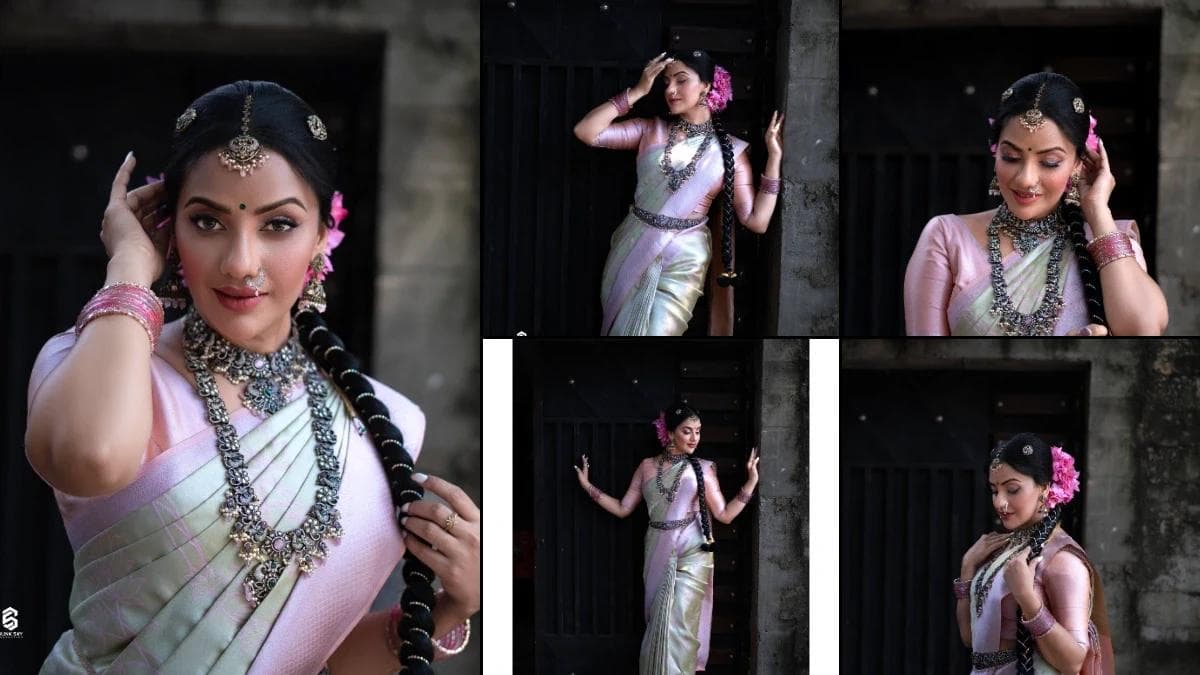
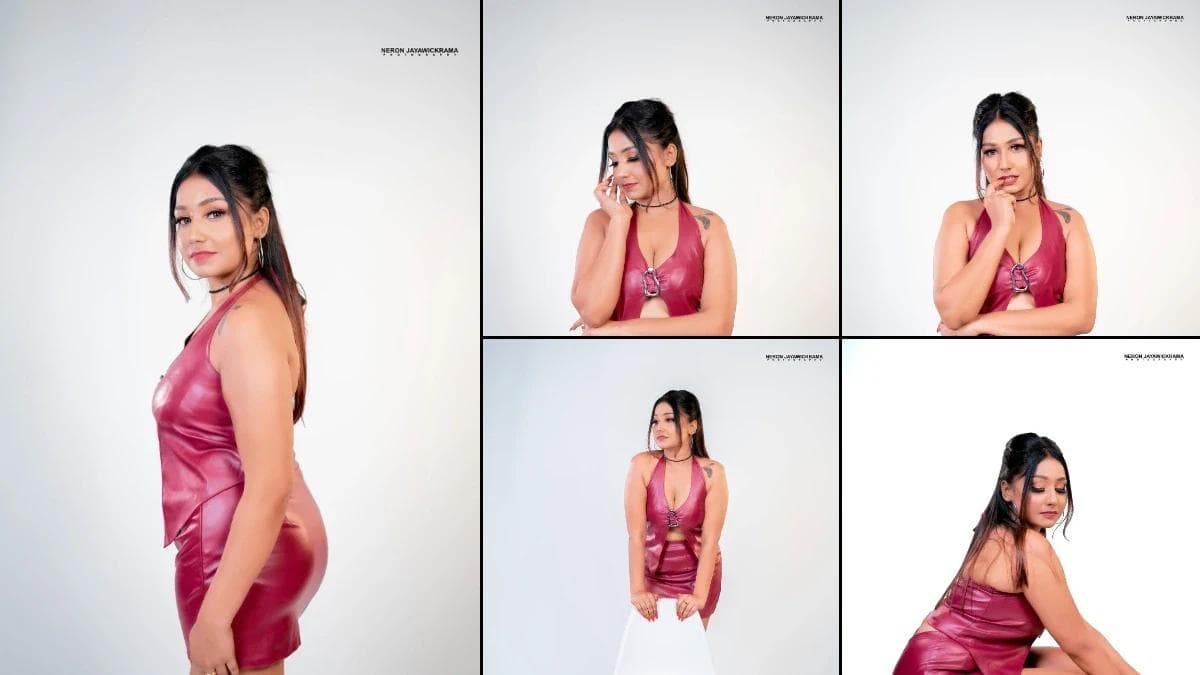
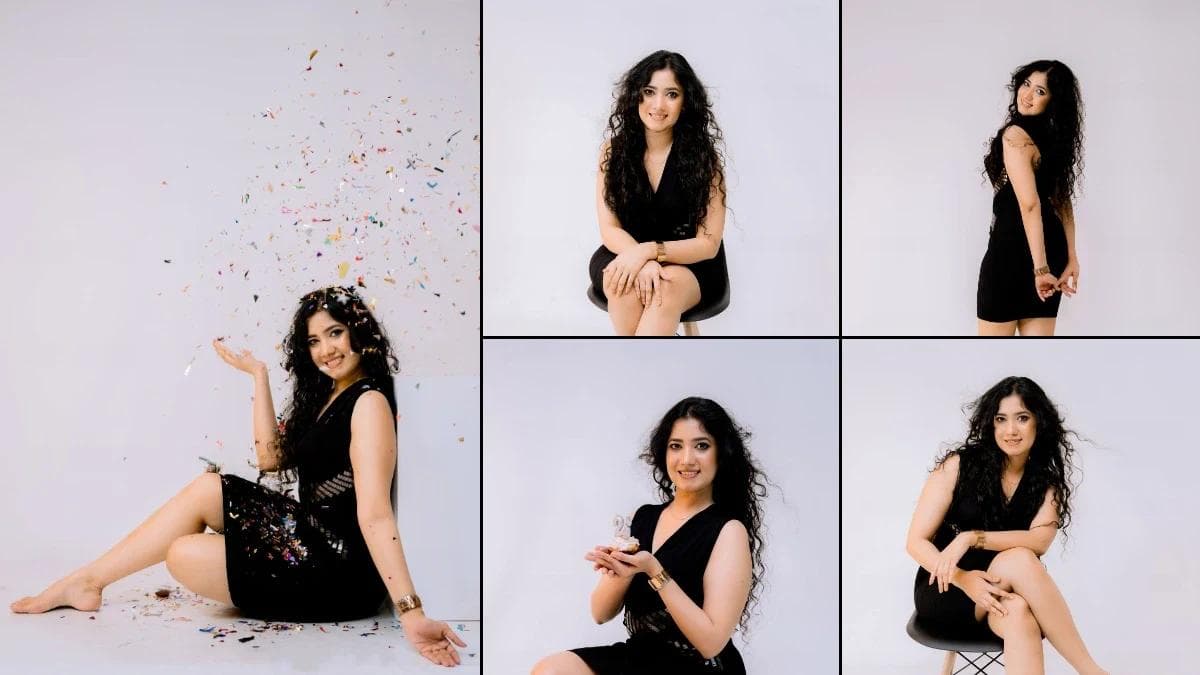
In high-end fashion portfolios—such as those featured across YOU Magazine Fashion & Model Portfolios—compositional rules are bent to evoke specific moods. For dramatic bridal and high-fashion editorial spreads, study our curated Wedding Highlights & Editorial Features.
- Dynamic Movement: When shooting garments in motion (like silk sarees or flowing gowns catching the tropical breeze), give the direction of motion more space in the frame.
- Eye-Line Dominance: Align your model's eyes exactly on the upper horizontal third line to instantly establish an authoritative, magnetic gaze that locks in the viewer.
- Negative Space for Typography: Leave clean, uncluttered negative space on one side of your composition if the image is destined for magazine cover text, editorial headlines, or digital advertising boards.
6. Conclusion
Mastering composition requires mindful repetition until it becomes second nature. By deliberately applying the Rule of Thirds, utilizing strong leading lines, and experimenting with symmetry and framing, you elevate your photography from a technical record of reality into an undeniable work of art. Grab your camera, step into the golden light, and start framing your world with intention.

Comments