

Introduction: The Foundation of Visual Storytelling
Welcome to the ultimate masterclass on mastering camera mechanics brought to you by the editorial team at YOU Magazine. Whether you are stepping onto a bustling Colombo fashion runway, capturing golden-hour portraits by the Indian Ocean, or framing intimate editorial spreads, understanding your camera is the first step toward true artistic freedom. While modern mirrorless and smartphone cameras offer advanced auto modes, professional visual artistry requires total manual control. At the heart of this control lies the Exposure Triangle—the holy trinity of photography consisting of Aperture, Shutter Speed, and ISO.
Think of exposure as collecting light in a bucket. If you collect too little light, your image is underexposed (dark, muddy, and lacking detail); if you collect too much, it is overexposed (blown-out highlights with irreversible loss of data). Balancing the exposure triangle allows you to control this light while simultaneously dictating the creative aesthetic of your photographs. To test your understanding interactively, we invite you to experiment with our YOU Magazine Interactive Camera Simulator.
Core Technical Concepts: Breaking Down the Exposure Triangle
To master manual shooting, you must understand how each of the three pillars operates independently and interacts with the others. For a deeper dive into technical camera operations, explore our comprehensive Photography A-Z Educational Guides.
1. Aperture: Controlling Depth of Field
Aperture refers to the opening inside your lens through which light travels to reach the camera sensor. Measured in f-stops (e.g., f/1.4, f/2.8, f/8, f/16), it acts much like the human pupil.
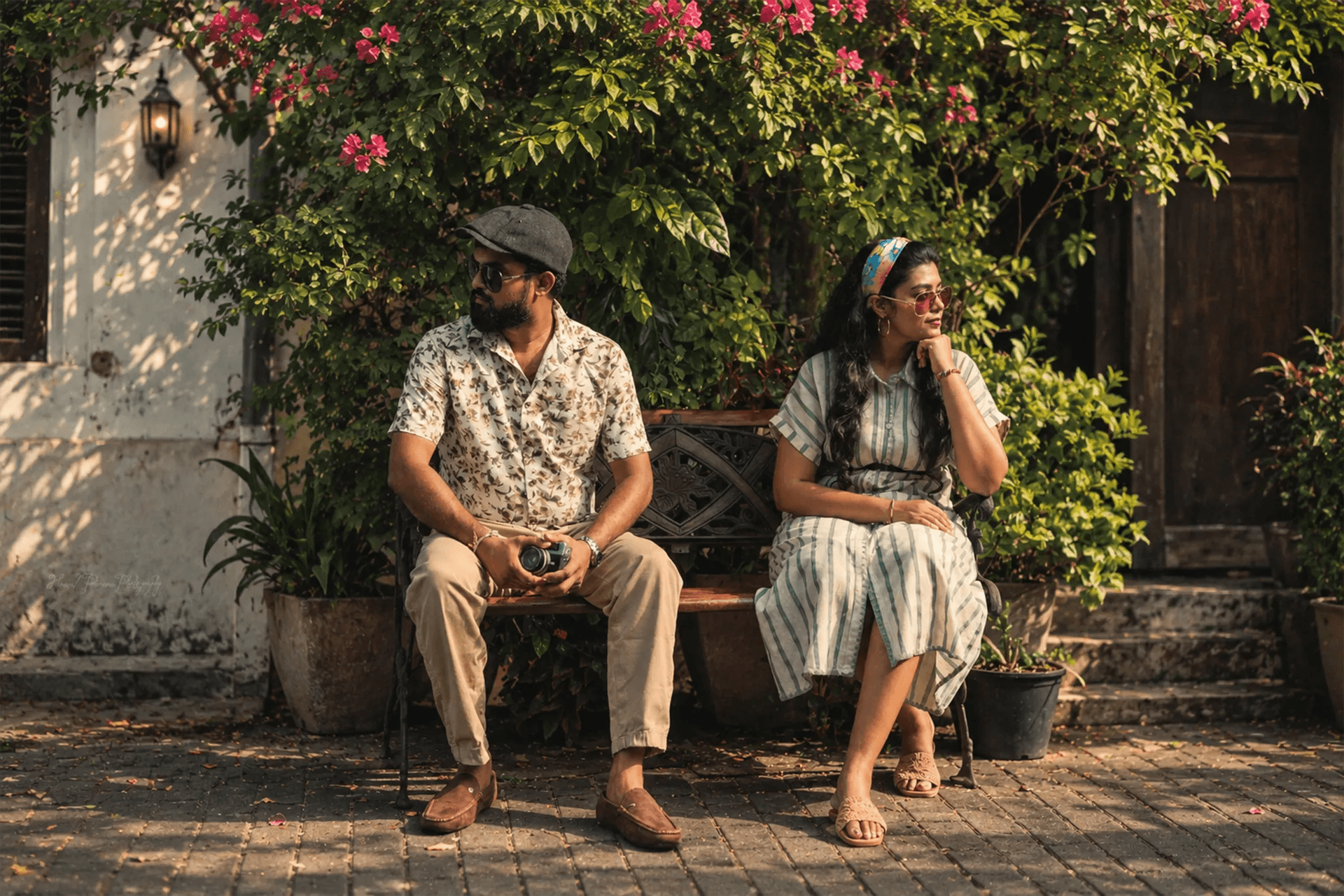
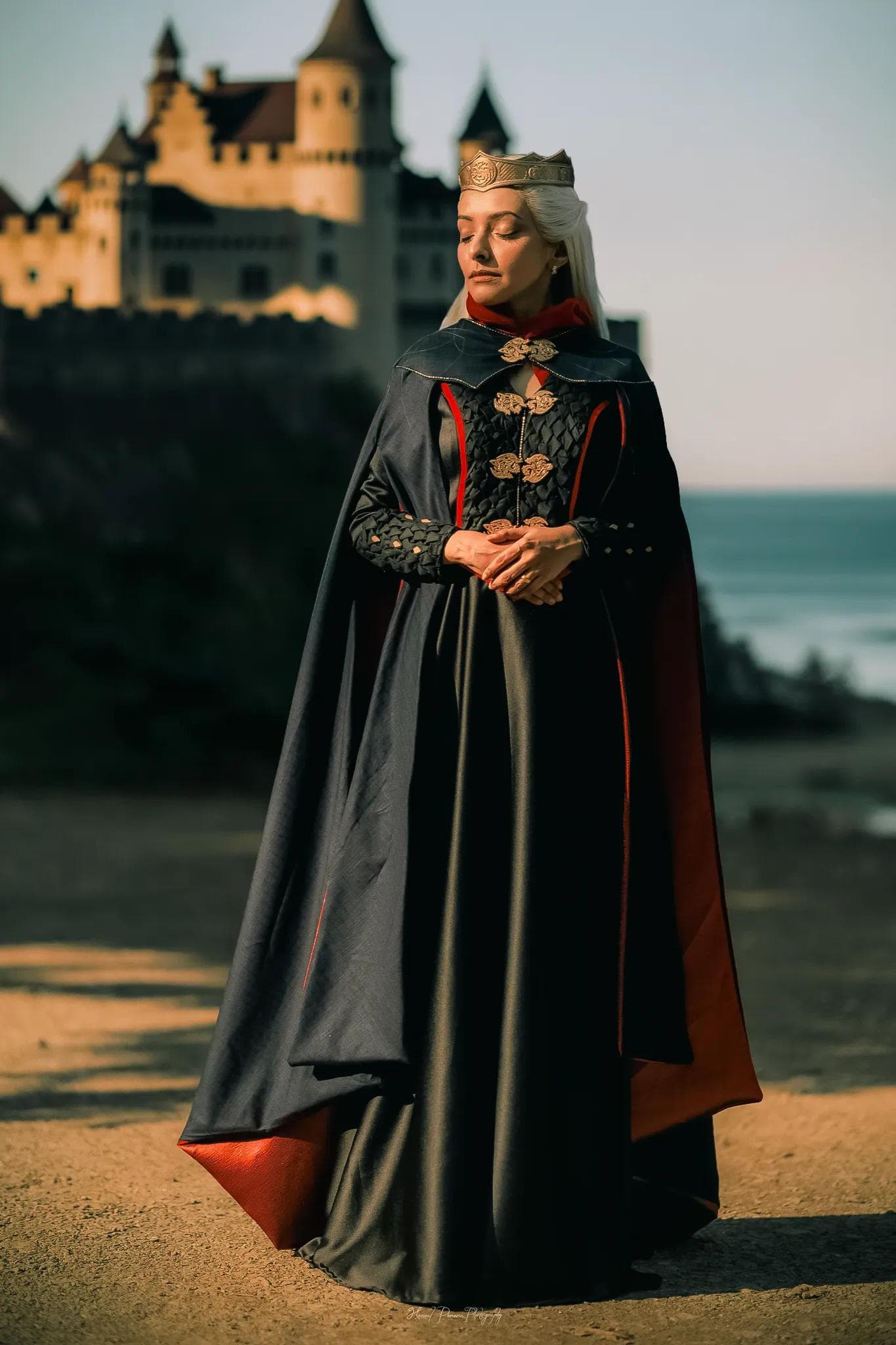
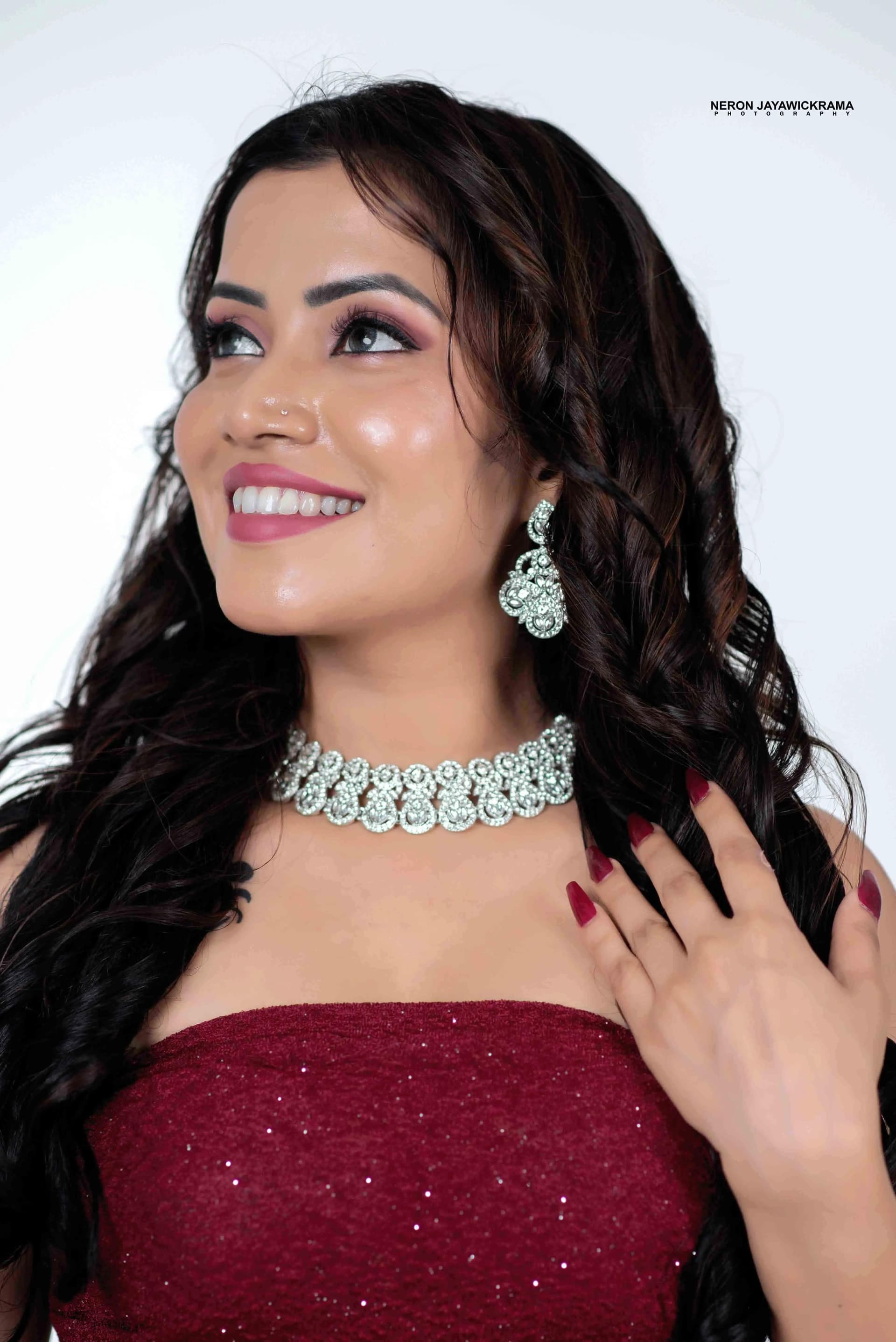
- Wide Apertures (Low f-numbers like f/1.4 or f/2.8): Let in a massive amount of light and create a shallow depth of field. This results in a sharp subject set against a beautifully blurred background (bokeh), a technique extensively utilized in our YOU Magazine Fashion & Model Portfolios.
- Narrow Apertures (High f-numbers like f/11 or f/16): Restrict light entry but yield a deep depth of field, keeping everything from the foreground to the distant horizon in sharp focus—ideal for expansive landscapes and architectural shots.
For official technical breakdowns on optical physics, consult the Wikipedia Guide on Aperture.
2. Shutter Speed: Freezing or Blurring Motion
Shutter speed is the duration for which the camera’s digital sensor is exposed to light. It is measured in seconds or fractions of a second (e.g., 1/1000s, 1/125s, 2 seconds).
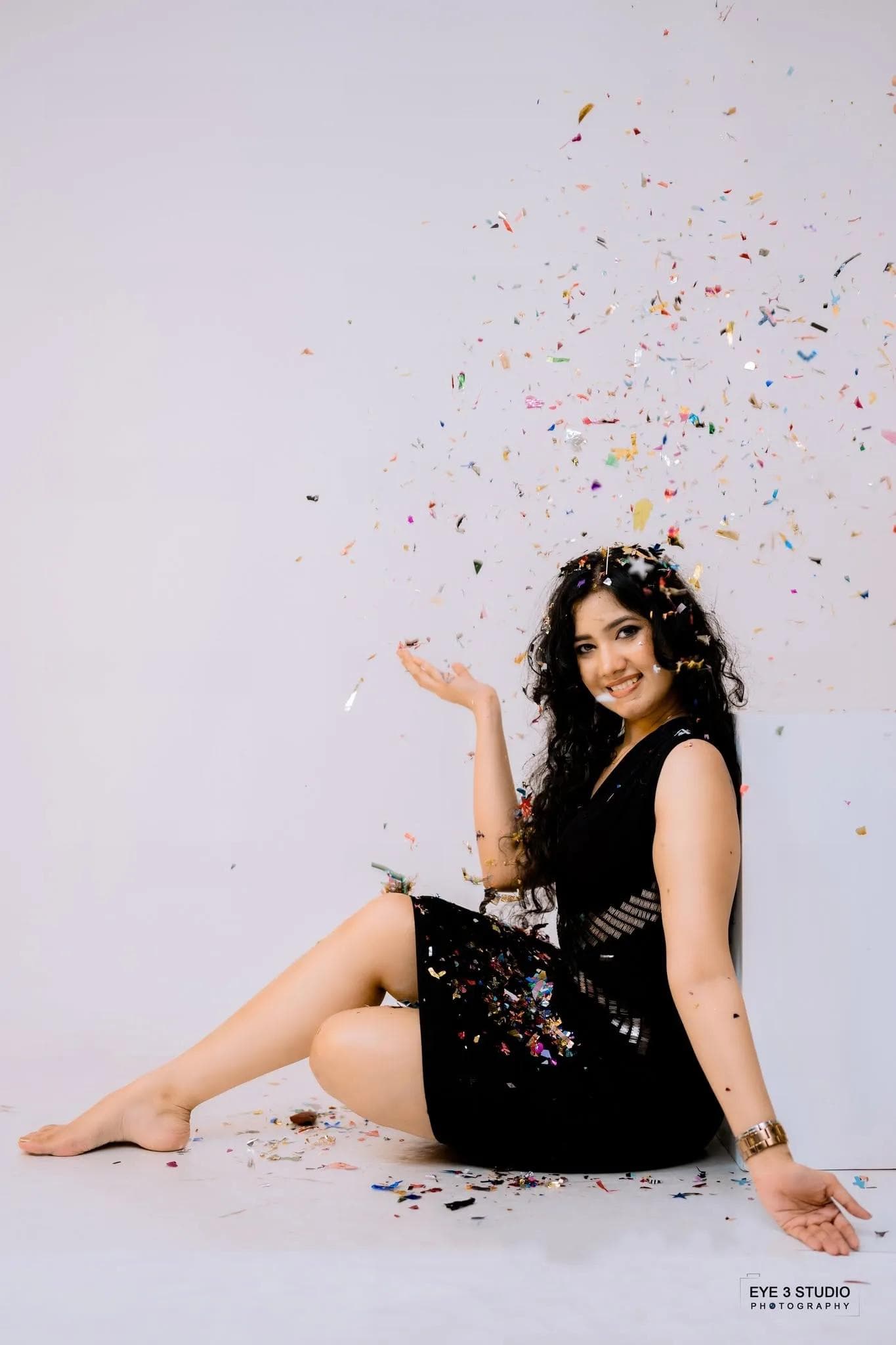
- Fast Shutter Speeds (e.g., 1/500s to 1/4000s): Freeze fast-moving actions instantly, such as a model leaping mid-air during a high-fashion streetwear shoot in Pettah.
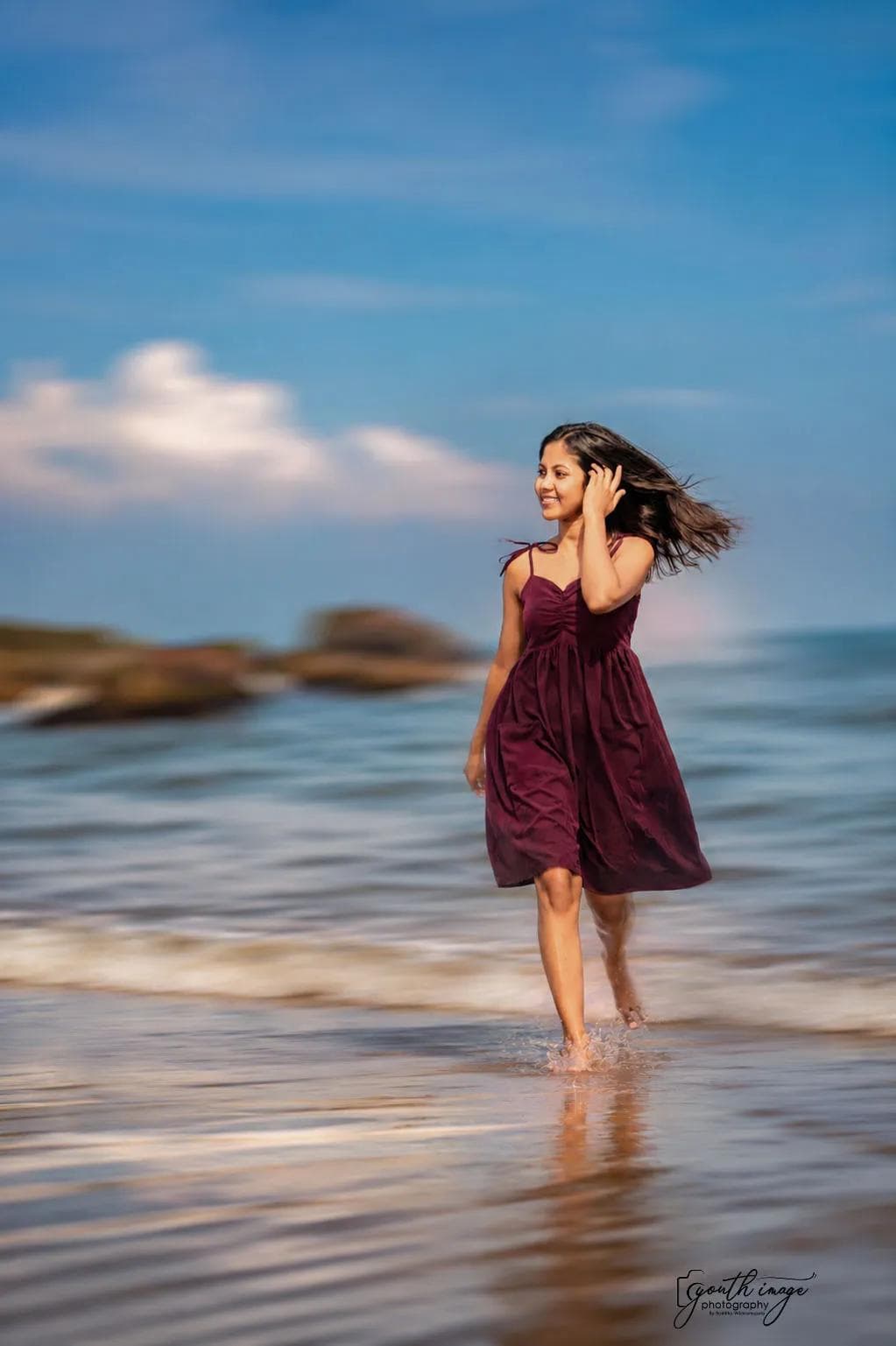
- Slow Shutter Speeds (e.g., 1/30s to several seconds): Introduce motion blur. These speeds are vital for creative panning shots or silky-smooth waterfalls, though they require a sturdy tripod to eliminate camera shake.
3. ISO: Sensor Sensitivity to Light
ISO measures your camera sensor's sensitivity to incoming light. Ranging typically from ISO 100 to ISO 6400 and beyond, it acts as your final multiplier for exposure.
- Low ISO (100–400): Delivers crystal-clear image quality with maximum dynamic range and minimal digital noise. Always use this setting in bright daylight.
- High ISO (1600–6400+): Amplifies the signal to capture usable images in low-light environments, such as dimly lit indoor gala events or evening runway shows, though it introduces digital grain or noise.
Learn more about sensor amplification mechanics via the official Canon Learning Library.
Step-by-Step Practical Techniques
Applying the exposure triangle in real-world scenarios requires a methodical approach. Follow this step-by-step framework during your next shoot:
- Set Your ISO First: Assess your lighting environment. If you are shooting outdoors in Colombo's midday sun, lock your ISO at 100. If you are indoors in a shaded studio, dial it up to 400 or 800.
- Determine Your Creative Priority (Aperture or Shutter Speed): Decide what matters most for the story you are telling. Are you shooting a portrait where background separation is crucial? Prioritize Aperture. Are you capturing fast movement? Prioritize Shutter Speed.
- Balance the Meter: Adjust your remaining variable while watching your camera's internal light meter. When the indicator hits the dead center (0), your exposure is balanced.
- Review and Refine: Take a test shot, check the histogram on your LCD screen to ensure highlights aren't clipped, and make micro-adjustments.
Common Mistakes to Avoid
Even seasoned photographers occasionally fall into technical traps. Watch out for these pitfalls:
- Over-reliance on Auto-ISO: While convenient, Auto-ISO can inadvertently spike your noise levels in shifting lighting conditions.
- Ignoring the Reciprocal Rule: When shooting handheld, never let your shutter speed drop below the reciprocal of your focal length (e.g., at 50mm, your minimum handheld speed should be 1/50s) to avoid motion blur.
- Sacrificing Sharpness for Low ISO: Do not underexpose an image intentionally just to keep your ISO at 100; pulling shadows in post-processing introduces far worse color banding and noise than shooting at a clean ISO 800.
Pro Tips for Fashion & Portrait Shoots
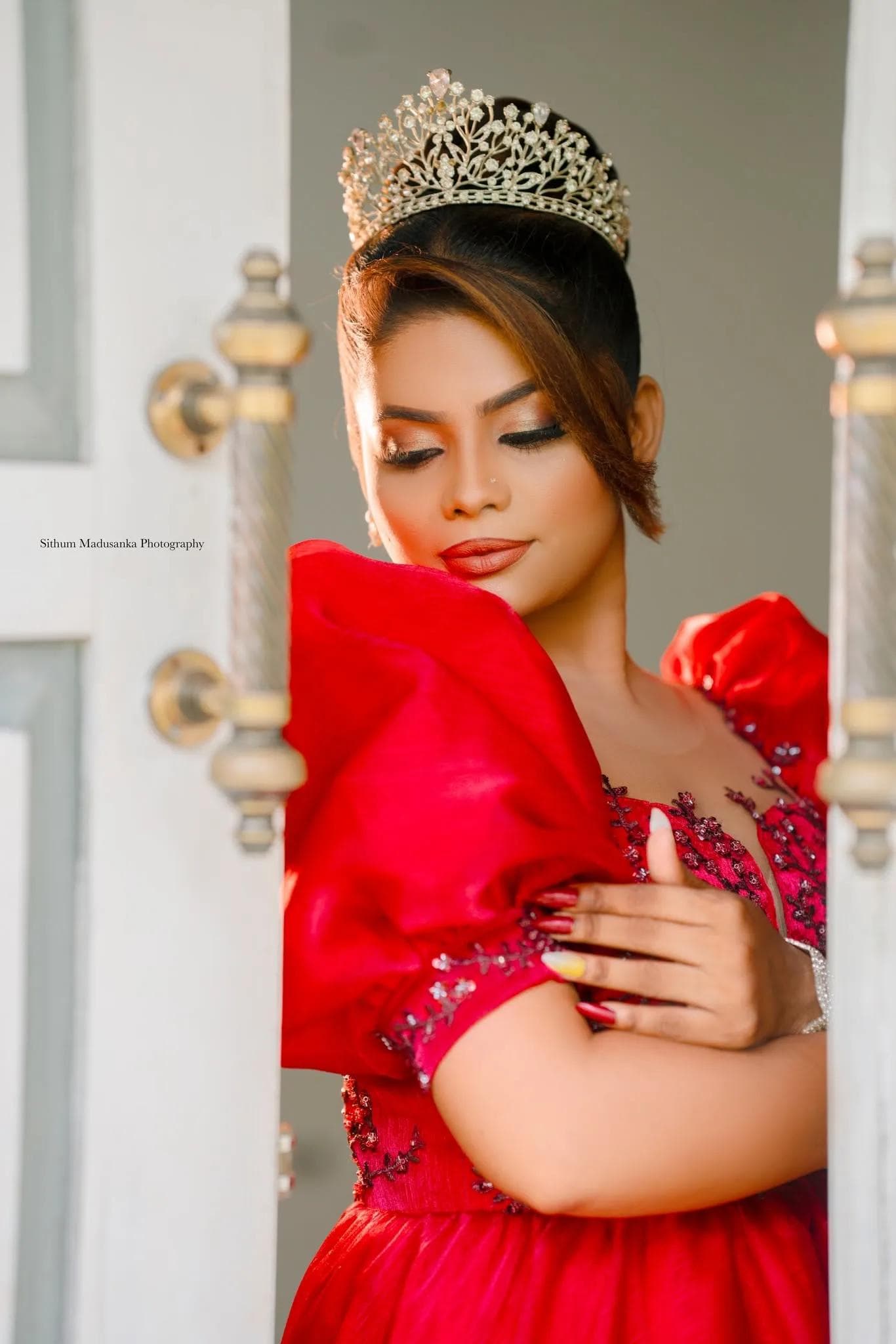
In high-end fashion and editorial photography—such as the breathtaking spreads featured in our Wedding Highlights & Editorial Features—precision separates the amateurs from the masters.
- Master the Sweet Spot: Most lenses are sharpest when stopped down by one or two stops from their widest setting (e.g., shooting an f/1.4 lens at f/2.0 or f/2.8).
- Use Off-Camera Flash to Keep ISO Low: Instead of raising your ISO in dark venues, introduce a softbox or strobe to pump clean light onto your subject, preserving pristine skin tones and rich color saturation.
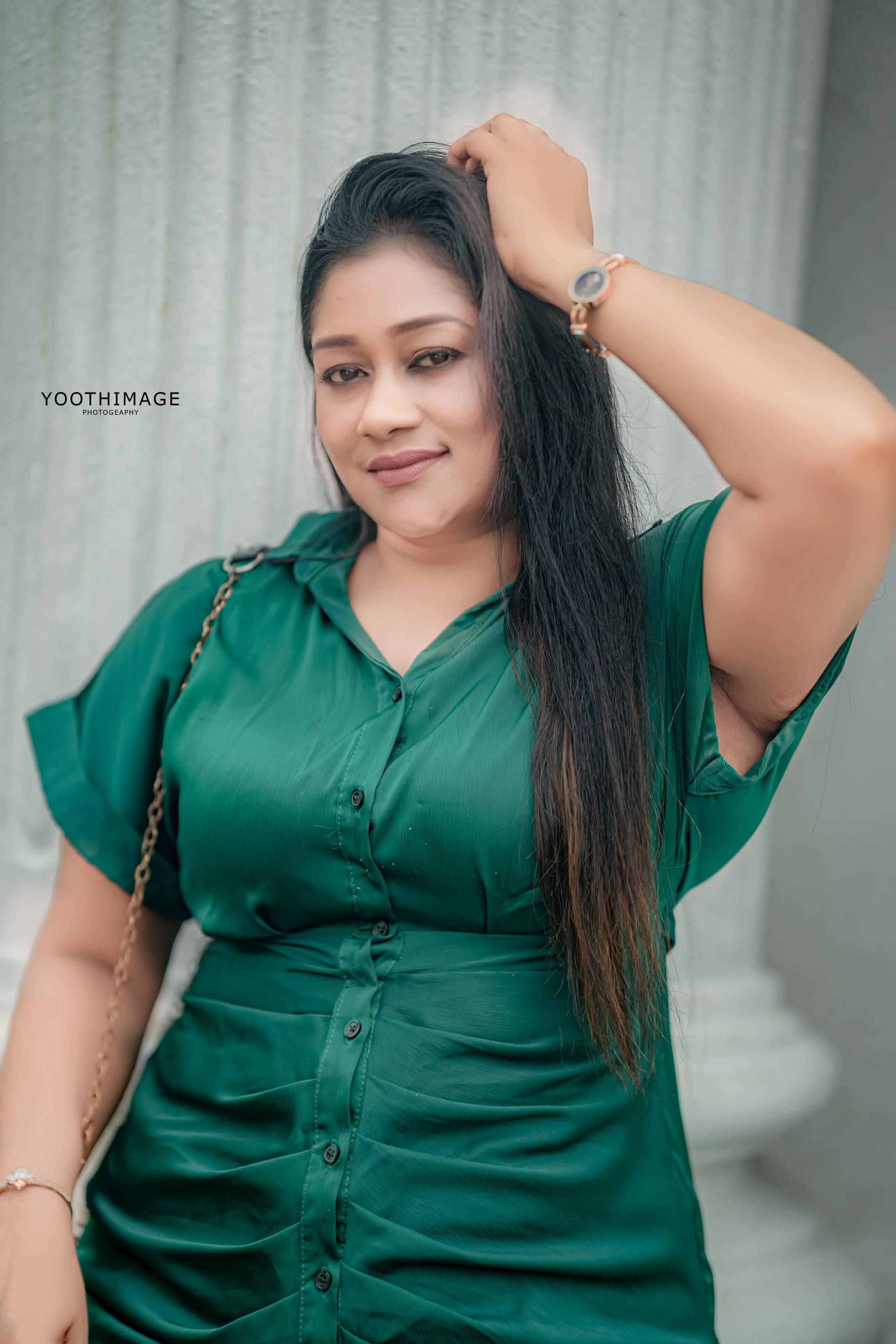
- Isolate Your Subject: Utilize wide apertures (f/1.8 to f/2.8) for headshots to completely melt away distracting background elements, drawing the viewer's eye directly to the model's eyes and expressions.
Conclusion
Mastering the exposure triangle takes practice, patience, and experimentation. By taking manual control over Aperture, Shutter Speed, and ISO, you stop being a passive observer and become an intentional creator of light and shadow. Take your camera off Auto mode today, step out into the vibrant streets of Sri Lanka, and start translating your creative vision into breathtaking imagery.

Comments