

Welcome to the definitive masterclass on optical selection brought to you by the editorial desk at YOU Magazine. Whether you are shooting high-fashion editorials on the bustling streets of Colombo or capturing intimate fine-art portraits, your choice of camera glass dictates the narrative of your imagery far more than the camera body itself. Understanding the intricate mechanics of your equipment is the hallmark of a professional visual artist.
Introduction: The Glass That Shapes Your Vision
When entering the world of professional photography, many enthusiasts obsess over megapixels and sensor sizes while overlooking the true architect of the image: the lens. Light passes through glass before it ever hits the digital sensor, making your lens selection the single most critical investment in your kit. In this exhaustive guide, we will break down the mechanics of prime and zoom lenses, analyze essential focal lengths, and equip you with the advanced techniques used by industry veterans.
Before diving into physical gear, we highly recommend testing focal length behaviors using the YOU Magazine Interactive Camera Simulator to understand how field of view shifts across different millimeter ratings.
Core Technical Concepts: Prime vs. Zoom
At the heart of lens anatomy lies a fundamental engineering choice: fixed focal length or variable focal length. Both optical designs have distinct physics and application profiles.
Prime Lenses: Uncompromising Optical Purity
A prime lens has a single, unchanging focal length (e.g., a 50mm or 85mm lens). Because the optical engineers do not have to account for moving internal elements to change magnification, prime lenses feature simpler internal designs with fewer glass elements.
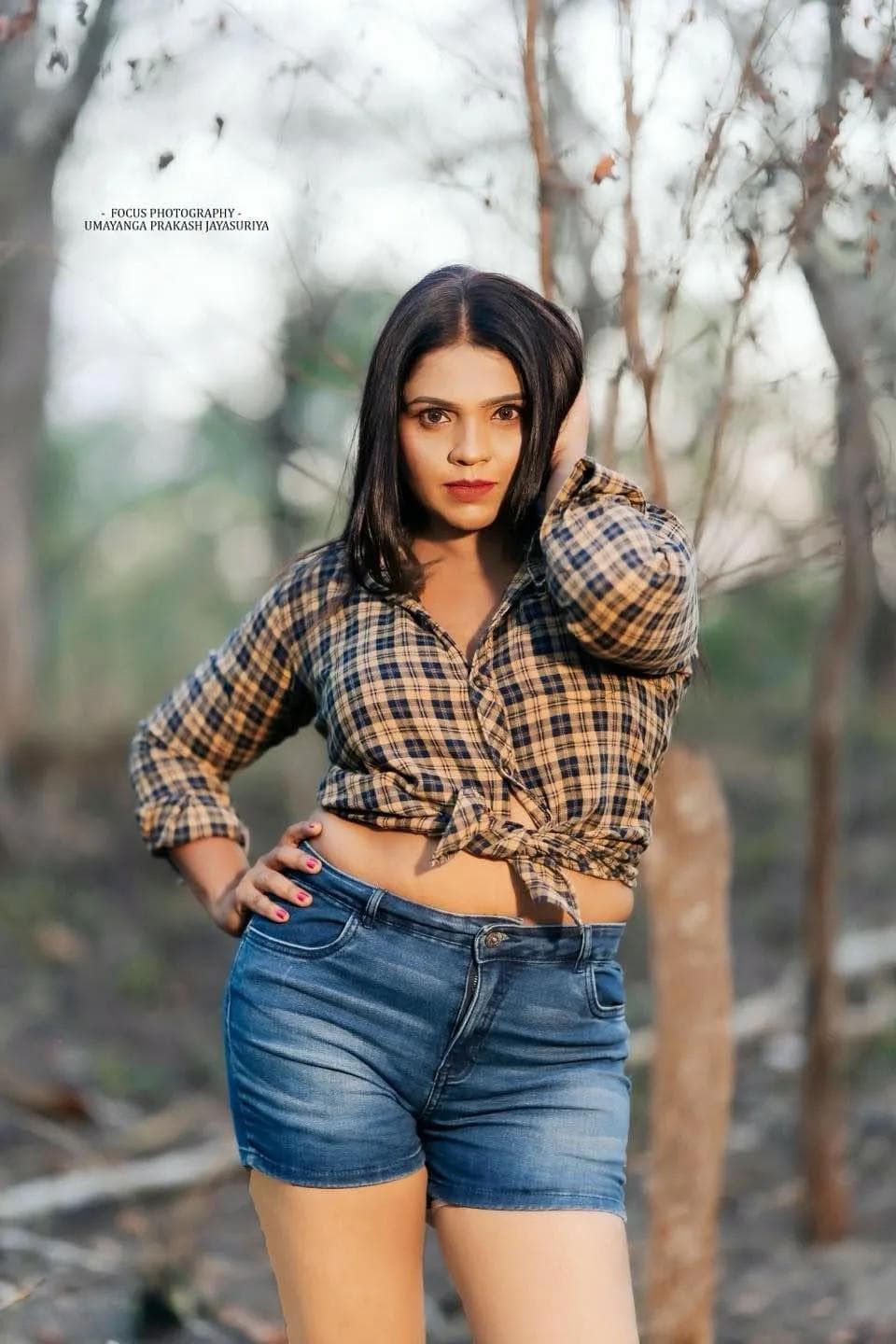
- Wide Apertures: Primes easily achieve wide maximum apertures such as f/1.8, f/1.4, or even f/1.2. This allows massive amounts of light into the camera, making them exceptional for low-light environments and creating shallow depth-of-field with buttery background separation (bokeh).
- Sharpness and Clarity: With fewer moving parts and specialized glass elements, primes generally deliver superior edge-to-edge sharpness and minimal chromatic aberration.
- Portability and Weight: Typically lighter and more compact, making them ideal for run-and-gun street photography and lifestyle shoots.
For a deeper dive into the physics of light bending and glass construction, consult the comprehensive Wikipedia Guide to Camera Lenses.
Zoom Lenses: The Ultimate Versatility
A zoom lens contains a complex assembly of internal glass elements that shift relative to one another when you twist the barrel, allowing you to cycle through a range of focal lengths (e.g., 24-70mm or 70-200mm).
- Versatility on Set: A single zoom lens can replace three or four prime lenses, allowing you to transition from a wide establishing shot to a tight portrait without changing gear or stepping away from your subject.
- Modern Optical Excellence: Modern professional zoom lenses (like the ubiquitous 24-70mm f/2.8) rival the sharpness of primes, though they are heavier and carry a higher price tag.
- Weather Sealing: Professional zooms often feature robust weather sealing, making them reliable workhorses for outdoor editorial shoots facing unpredictable tropical weather.
To understand manufacturer-specific optical engineering standards, explore resources like the official Canon Lens Technology Guide and the Nikon Professional Lens Overview.
Step-by-Step Practical Techniques: Choosing Focal Lengths
Mastering focal length means understanding how perspective distortion alters human features and spatial relationships. Here is how to select the right millimeter rating for your creative intent:
- Wide-Angle (24mm - 35mm): Environmental Storytelling
Wide focal lengths expand the field of view and exaggerate perspective. Use these when you want to showcase the clothing, the grand architecture, and the environment around your model. Be cautious: placing a subject too close to the edge of a 24mm frame will cause unsightly facial distortion. - The Standard Normal (50mm): The Human Eye Perspective
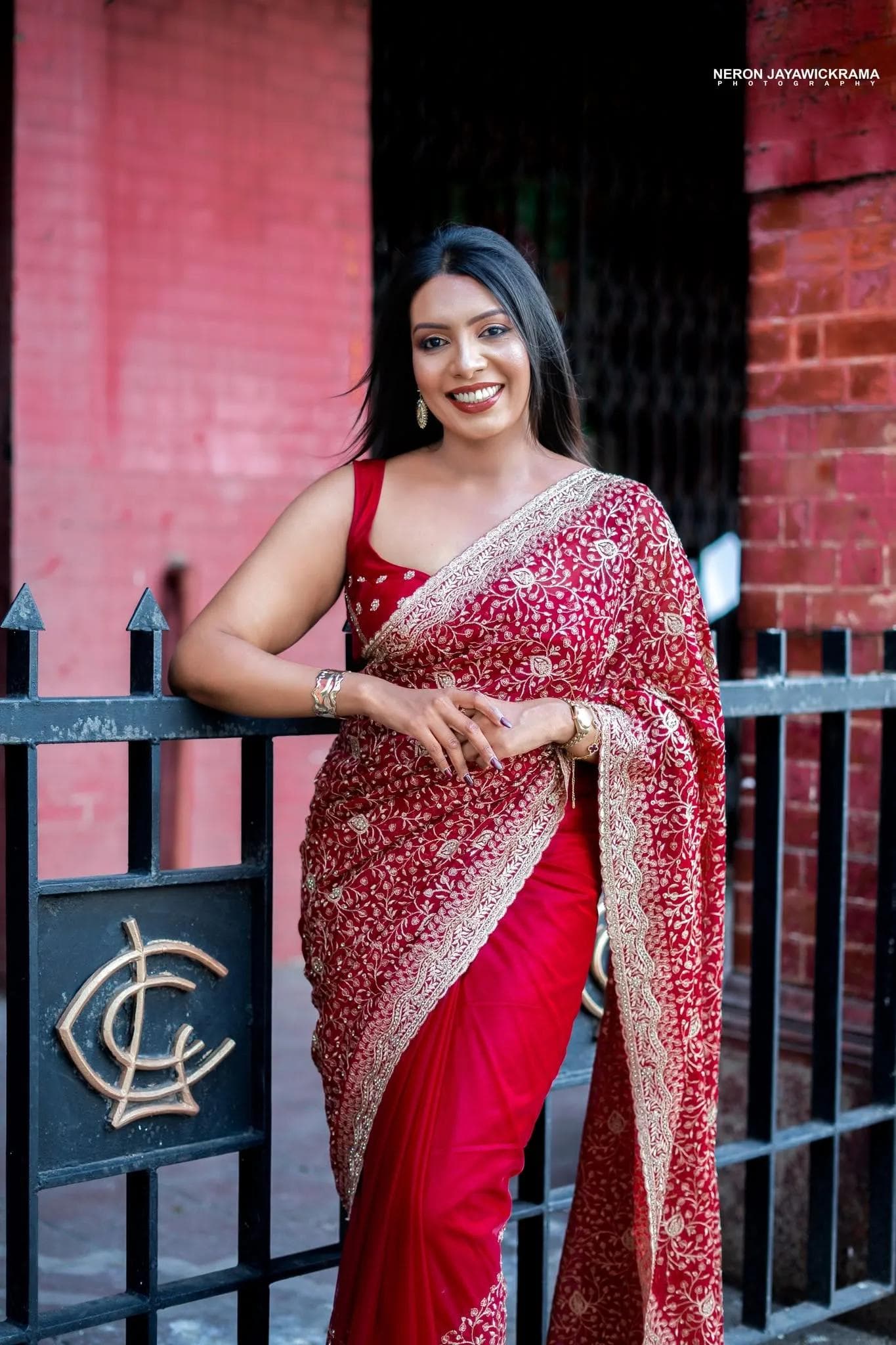
The 50mm focal length mimics the natural field of view of the human eye. It introduces zero geometric distortion, making it the ultimate multi-purpose lens for street style, casual lifestyle coverage, and full-length fashion looks. - Short Telephoto (85mm - 135mm): The Ultimate Portraiture Range
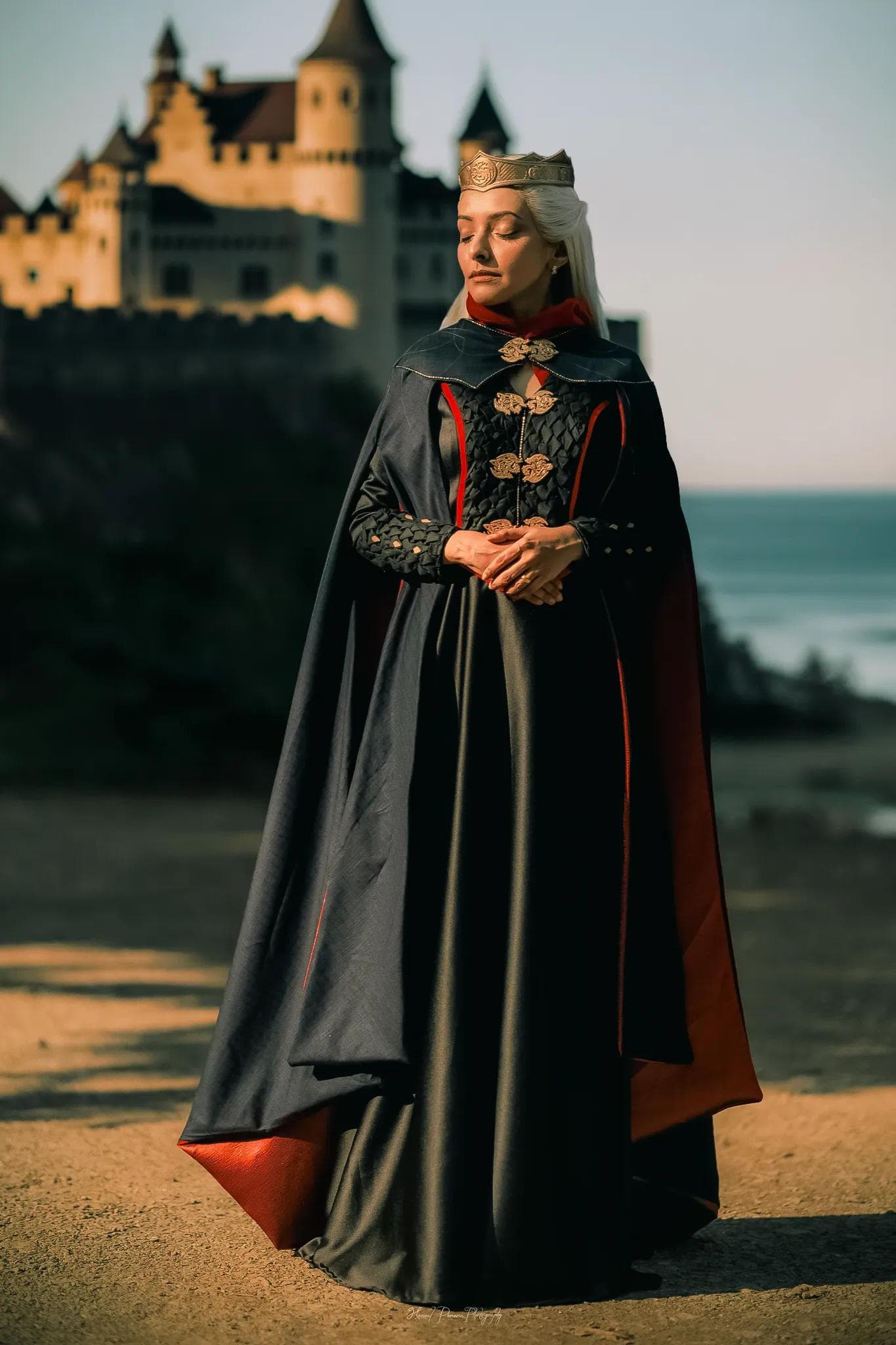
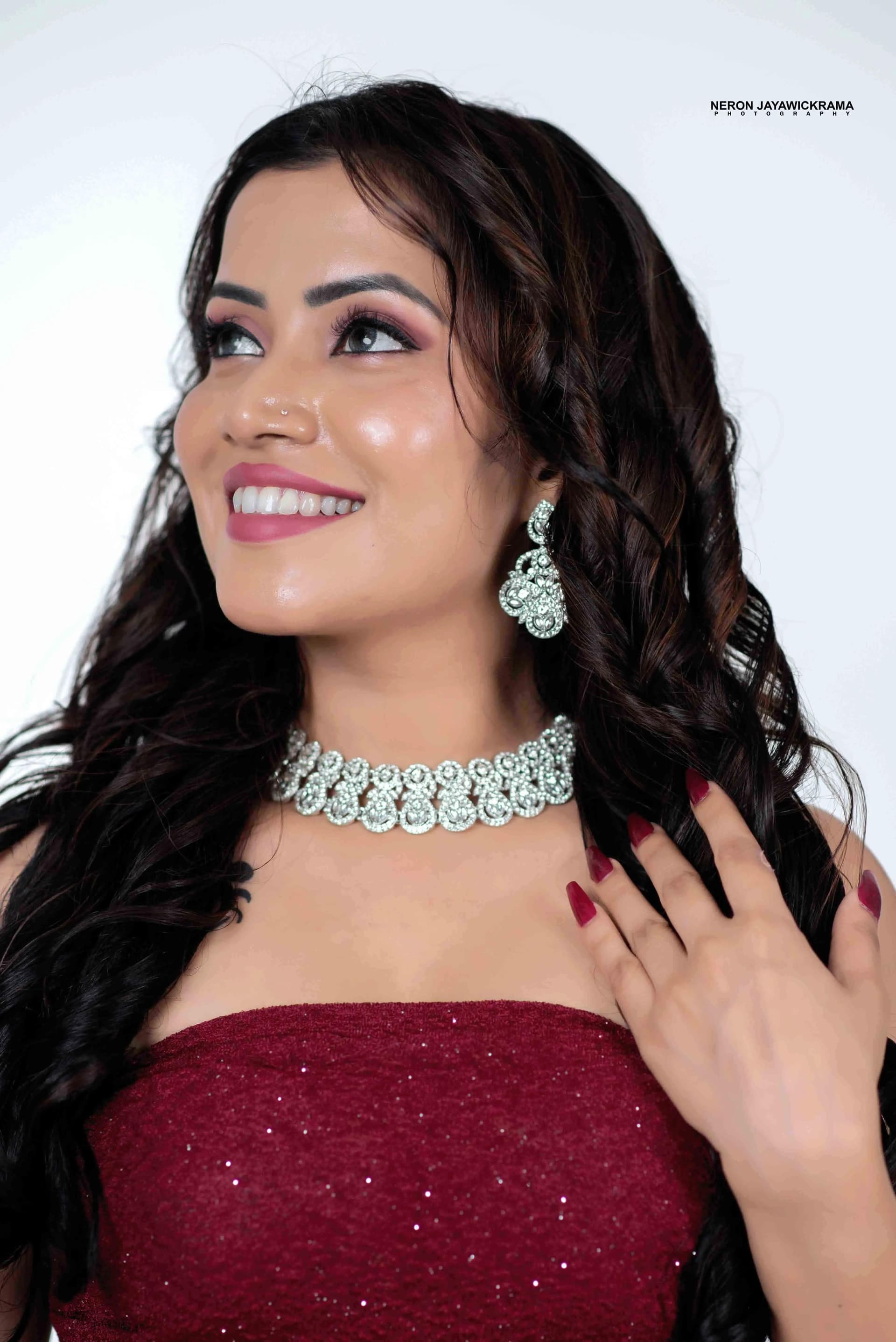
An 85mm prime or a 70-200mm zoom set around 100mm compresses the background, bringing elements closer to the subject while flattering facial features. This is the gold standard for high-fashion close-ups and dramatic editorial portraits. - Super Telephoto (200mm+): Compression and Isolation
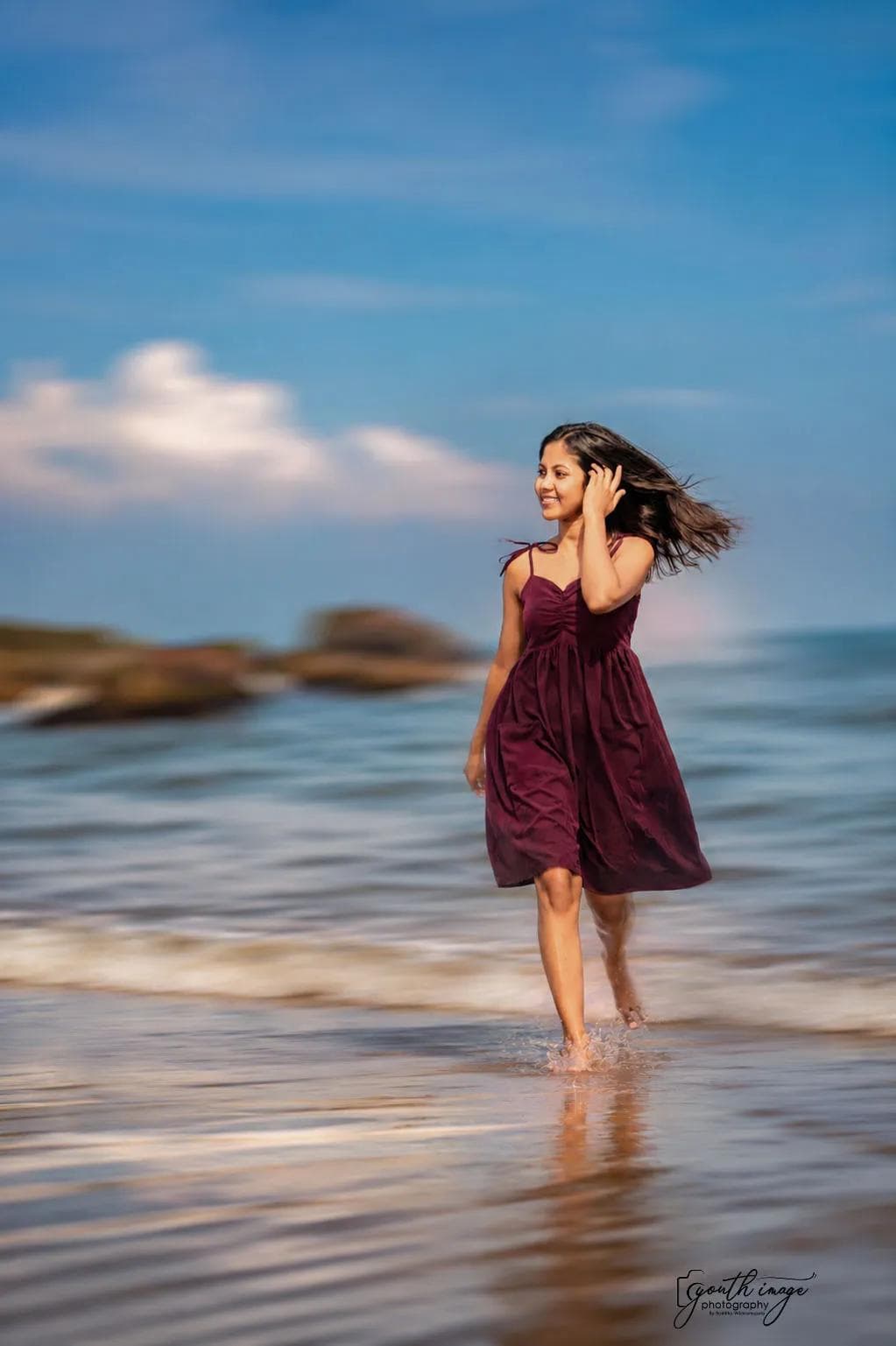
Using a focal length of 200mm or higher completely isolates your subject from the background, rendering distant elements as a smooth, creamy wash of color. Perfect for runway shows and dramatic outdoor fashion features.
To see how these focal lengths perform in high-end commercial environments, browse through our curated YOU Magazine Fashion & Model Portfolios.
Common Mistakes to Avoid
Even seasoned photographers occasionally fall into technical traps regarding lens selection. Avoid these common pitfalls:
- Relying Solely on Zooms Out of Laziness: Using a zoom lens should not mean standing in one spot and twisting the ring. Move your feet, explore different angles, and use primes to force yourself to compose creatively.
- Shooting Wide Open Constantly: While shooting at f/1.2 or f/1.4 is trendy, it often results in missed focus on the eyes—especially in dynamic fashion shoots where models are moving. Stop down to f/2.2 or f/2.8 to ensure critical sharpness.
- Ignoring Crop Factor: Failing to calculate your camera sensor's crop factor (APS-C vs. Full Frame) leads to unexpected field-of-view surprises. A 50mm lens on an APS-C sensor behaves closer to a 75mm focal length.
Pro Tips for Fashion & Portrait Shoots
In the fast-paced world of editorial and wedding production, efficiency and aesthetic cohesion are everything. Apply these industry secrets:
- The Two-Camera Setup: Pair an 85mm prime on one body for tight emotive portraits with a 24-70mm zoom on a secondary body for quick outfit changes and wide-angle scene setters.
- Compressing Backgrounds for Mood: When shooting in busy or distracting locations, switch to a 70-200mm f/2.8 zoom at the 200mm end. It instantly turns visual clutter into an artistic bokeh backdrop.
- Study Editorial Layouts: Analyze how professional imagery utilizes perspective distortion to evoke emotion. For real-world editorial application, check out our stunning Wedding Highlights & Editorial Features.
For foundational coursework and continuing education modules, visit our archive of Photography A-Z Educational Guides.
Conclusion: Building Your Signature Kit
There is no single "best" lens; there is only the right tool for the story you are trying to tell. Whether you lean toward the lightweight agility and stellar low-light performance of prime lenses or the unmatched adaptability of professional zoom lenses, understanding focal length empowers you to control perspective, emotion, and visual depth. Master your glass, experiment with your focal lengths, and let your unique artistic vision shine through every frame.
Comments